LESSON 3
Agent Specialization: Why One AI Can't Do Everything
Context windows are zero-sum. Fill it with code → no room for business context. Fill it with customer history → no room for the codebase. That's why the multi-agent approach works: each AI is loaded with exactly what it needs.

THE CONTEXT PROBLEM
What Each Agent Knows (and Doesn't Know)
Specialization isn't a limitation — it's a feature. Each agent is BETTER because they're focused. Big Nate never writes marketing copy. Alfred never touches code. Vera never makes implementation decisions.
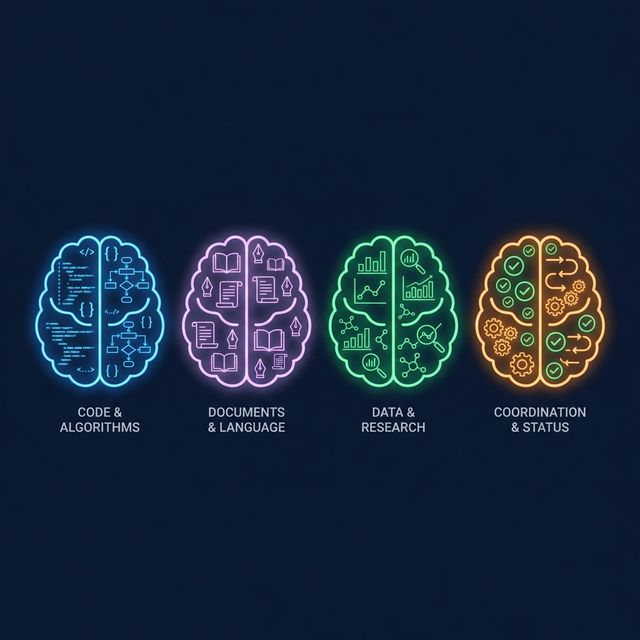
What They Hold
- Big Nate: Full codebase, file structure, deployment configs, browser testing
- Alfred: Brand voice, email sequences, market positioning, lead data
- Vera: Industry data, competitor pricing, academic research, citations
- Mini Nate: Team status, task priorities, cross-agent coordination
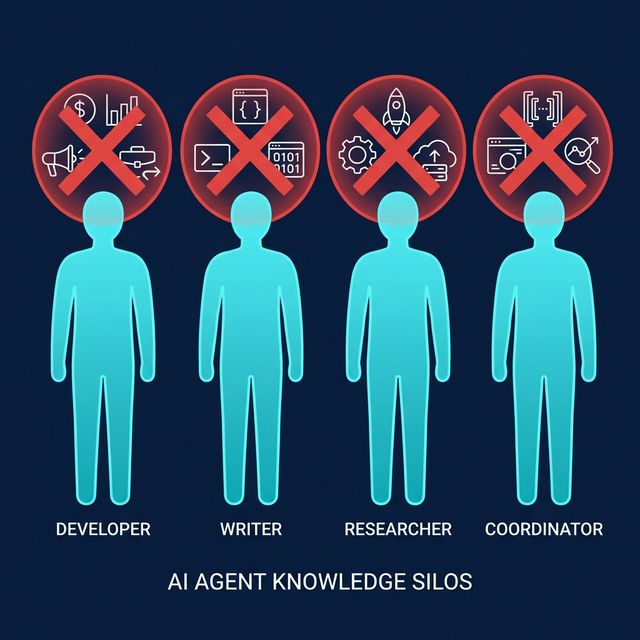
What They DON'T Hold
- Big Nate: Marketing strategy, competitor analysis — stays in his code lane
- Alfred: Infrastructure, deployment, code — doesn't touch technical work
- Vera: Implementation details, file paths — pure research and strategy
- Mini Nate: Deep code or deep research — coordinates, doesn't execute
THE RULE
One Agent, One Job — The Golden Rule
The Elvis @elvissun insight nails it: "Context windows are zero-sum." The moment you ask one AI to do everything, it does nothing well. Specialization through context, not through different models.
5
specialized agents — each with ONE focused job
Source: The Crew
100%
role clarity — no agent does another agent's work
Source: Operating Model
0
context wasted on tasks outside their specialty
Source: Efficiency